Aluminum Coil for Gutters is often chosen for projects that require a clean appearance, reliable weather resistance, and stable forming performance. In exterior drainage systems, the material needs to bend, roll, and hold shape well while withstanding rain, sunlight, and temperature changes. The right coil choice can improve both installation efficiency and long-term performance.
Gutter systems remain exposed to rain, humidity, UV exposure, and changing weather throughout the year, so material performance matters. Aluminum is widely used because it combines light weight, corrosion resistance, and good formability, making it easier to shape into consistent profiles for gutters, downspouts, fascia components, and related trim parts. These qualities help support a cleaner finished appearance and more reliable fabrication.
A good coil choice is not just about the alloy name. The practical details often matter more in real production. Before ordering, it helps to check these points:
1. Thickness
Thickness affects rigidity, forming behavior, and durability. Too thin may reduce strength; too thick may make shaping harder and raise material cost.
2. Width
The coil width should match the target gutter profile and the forming line. A mismatch can create more trim loss and lower efficiency.
3. Temper
Temper influences softness, strength, and bend response. For gutter applications, the balance between formability and stability is especially important.
4. Surface consistency
A uniform surface supports a better final appearance. It also reduces the risk of visible defects after forming or installation.
5. Coil protection and packaging
Since the material will be used for visible building parts, preventing scratches, edge damage, and contamination during transport is essential.
Different projects may benefit from different alloy characteristics. While the final decision should depend on the forming method and end-use requirements, the following materials are commonly considered in exterior building applications:
* 3003 coil – Known for a practical balance of corrosion resistance and formability. It is often used where predictable shaping and steady outdoor performance are both important.
* 3105 coil – Offers a useful combination of strength and workability, making it a solid option for building-related profiles.
* 5052 coil – Usually considered when higher strength and stronger corrosion resistance are priorities.
The best option depends on how the gutter line is made, how much shaping is required, and what kind of climate the finished system will face. Coastal areas, humid regions, and high-rainfall environments often call for extra attention to durability.
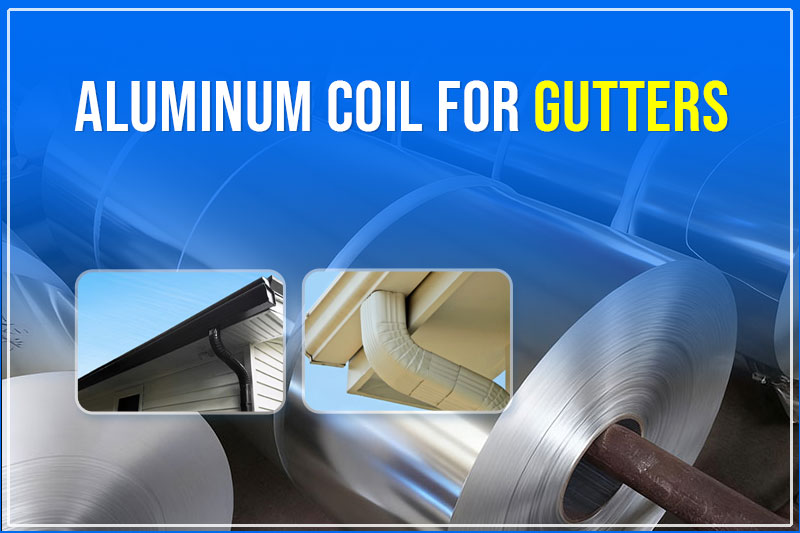
For many building projects, gutters are not hidden details. They sit in plain view and affect the overall look of the roofline. That is why color consistency, clean edges, and a smooth final profile are worth considering from the start.
A well-chosen coil can support:
* a neat architectural appearance
* consistent color matching across long runs
* a more polished installation result
* better visual integration with roofing and façade materials
When exterior design is part of the project brief, appearance should be treated as a functional requirement, not just a cosmetic extra.
If you need a quick way to narrow down the right coil, use this checklist:
* Does the material match the forming line?
* Is the thickness suitable for the desired balance of strength and workability?
* Does the width fit the target profile with minimal waste?
* Will the surface hold up well in outdoor use?
* Is the finish appropriate for the project’s visual standard?
* Can the supply remain stable across repeated orders?
This kind of review helps avoid common issues such as poor fit, uneven forming, unnecessary waste, or inconsistent appearance.
Mingtai Aluminum supports exterior building applications with stable coil supply, consistent material quality, and specifications that can be matched to practical production needs. For projects that depend on dependable performance and repeatable results, that stability can make sourcing much easier.
1. Which alloy is best for gutter production?
It depends on the project, but 3003, 3105, and 5052 are often considered because they offer a useful balance of formability, strength, and outdoor performance.
2. How do I choose the right thickness?
Start with the forming method, gutter profile, and local climate. A thicker coil may offer more rigidity, while a thinner one may be easier to form.
3. Why is surface consistency important?
Because gutters are visible parts of a building, a consistent surface helps the finished installation look cleaner and more professional.
4. What should be confirmed before ordering in volume?
Check alloy, temper, width, thickness, packaging protection, and whether the supply can stay consistent across future orders.
If you need a dependable material source for exterior drainage use, Mingtai Aluminum offers practical coil solutions that support steady forming and clean finished results.