Aluminum Sheet
Aluminum Coil
Aluminum Foil
Aluminum Bar
Aluminum Tube
Special Aluminum
Aluminum Components
vip@mingtai-al.com
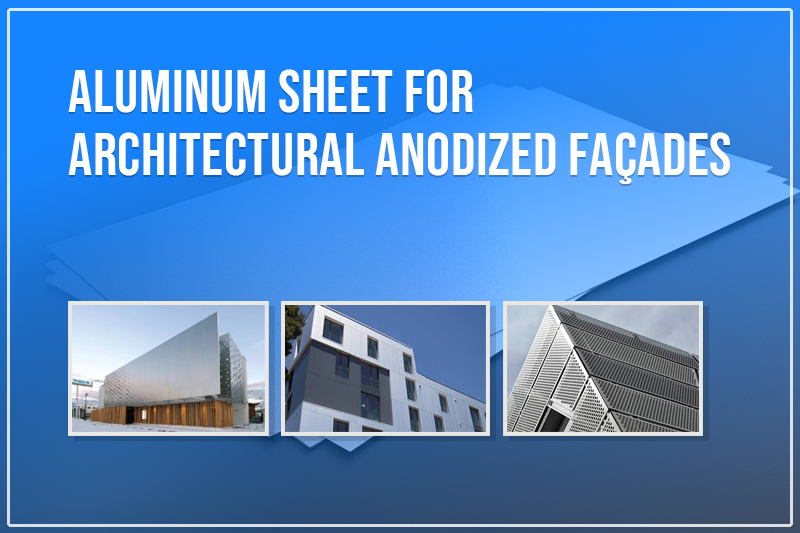
5005 aluminum sheet for architectural anodized facades supports uniform oxide growth and batch-to-batch color matching. Ideal for facades.
How to bend aluminum sheet with fewer cracks: choose 3003 or 5052, bend across the grain, and use a generous radius for cleaner shop results.
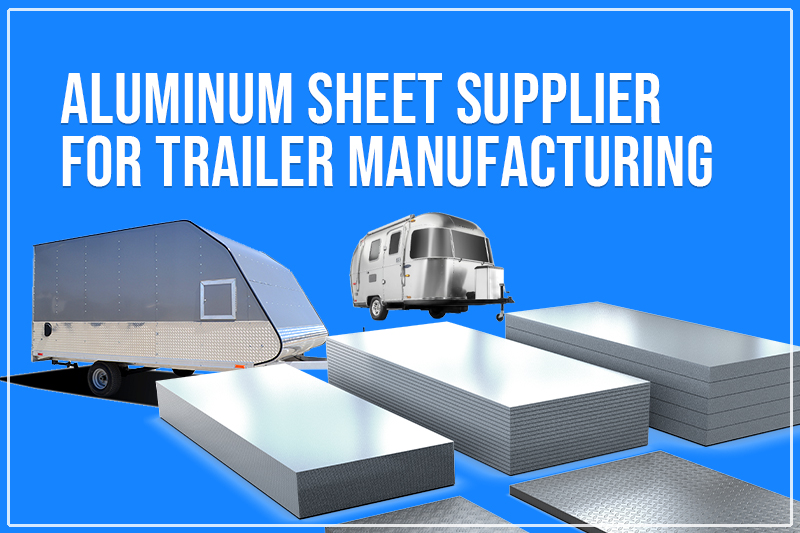
Your aluminum sheet supplier for trailer manufacturing. Get 3003, 5052, 5083 sheets with stable quality and on-time delivery. Fast quotes.
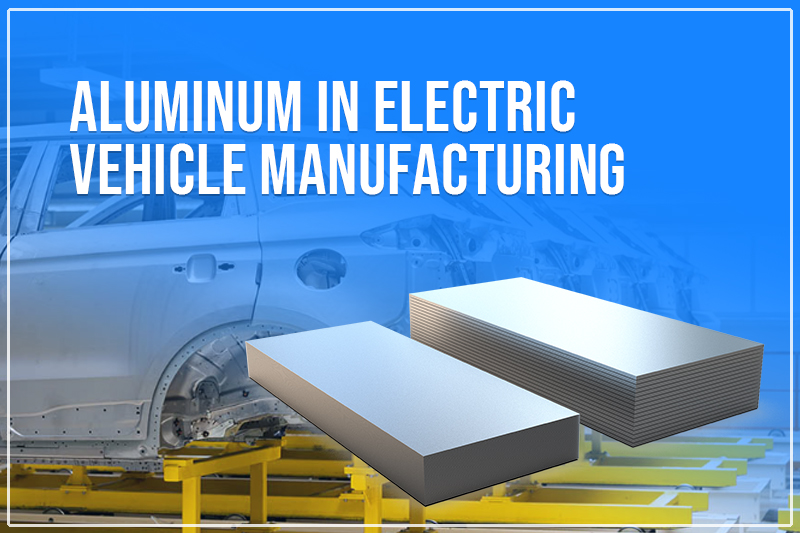
Aluminum in electric vehicle manufacturing: Mingtai supplies 5083, 3003 & 6101 sheet and coil for battery enclosures, bus bars, and structural parts.
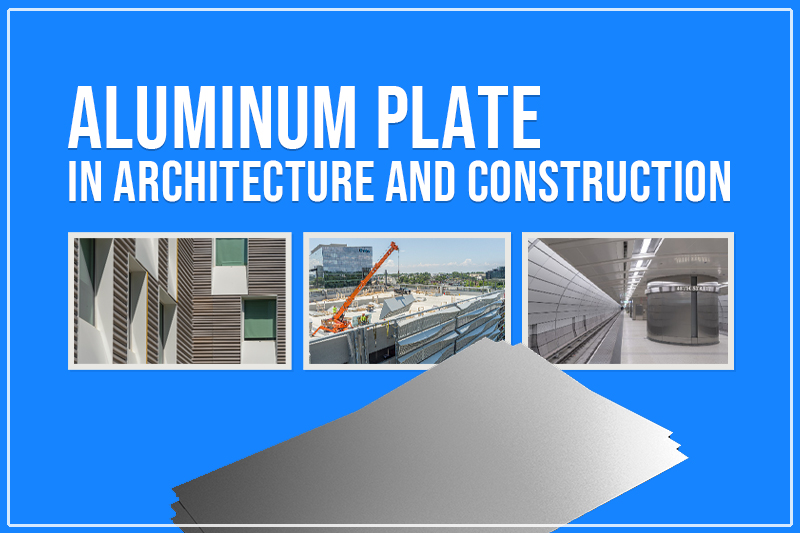
Choose aluminum plate in architecture and construction for top 10 applications, from façades to marine projects, with multiple alloys.
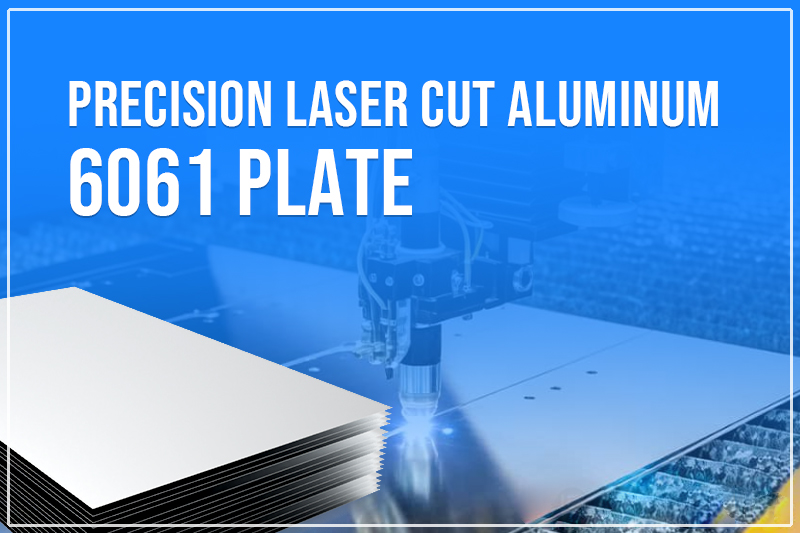
Buy precision laser cut aluminum 6061 plate from trusted supplier. Clean edges, stable batches, reliable supply. Send specs for a fast quote.