When selecting materials for engineering, transportation, or structural projects, aluminum plate 6000 series is often one of the most balanced options available. Combining moderate-to-high strength, excellent corrosion resistance, and outstanding machinability, this family of aluminum alloys is widely used across industries that require both durability and manufacturing efficiency.
Whether the application involves precision machining, lightweight structures, or welded assemblies, understanding the characteristics of the 6000 series helps simplify material selection and improve long-term performance.
Unlike pure aluminum, 6000 series alloys are primarily alloyed with magnesium and silicon. This combination produces a material that offers an attractive balance between mechanical properties, corrosion resistance, and fabrication performance.
Compared with higher-strength 7000 series alloys, the 6000 series is easier to machine and weld. Compared with the 5000 series, it generally provides better heat-treatability and dimensional stability.
Its versatility makes it suitable for both general engineering projects and demanding industrial environments.
Some of the reasons engineers continue to specify this alloy family include:
These characteristics allow manufacturers to reduce overall component weight without sacrificing structural performance.
Different grades within the 6000 series are designed for different manufacturing requirements.
Often regarded as the industry’s general-purpose structural alloy.
Typical applications include:
Its balanced mechanical properties make it one of the most commonly specified aluminum alloys worldwide.
Known for providing higher strength than many other grades in this family.
It is frequently selected for:
Although better known for extrusion products, this alloy is also chosen where an excellent surface appearance is important.
Common uses include decorative structures and architectural components.
Rather than serving a single market, these alloys support a wide range of manufacturing sectors.
|
Industry |
Typical Components |
|
Transportation |
Vehicle frames, truck panels, trailers |
|
Industrial Equipment |
Machine parts, fixtures, robotic systems |
|
Construction |
Structural members, platforms, supports |
|
Electronics |
Heat dissipation plates, equipment frames |
|
Marine |
Deck structures, fittings, walkways |
|
Renewable Energy |
Solar mounting systems, equipment supports |
Their ability to combine strength with lightweight construction continues to drive demand in modern engineering.
Material selection is rarely based on strength alone. Several factors should be evaluated together.
Mechanical Requirements
Determine the required tensile strength, yield strength, and hardness based on the final application.
Processing Method
Consider whether the material will be machined, welded, bent, or anodized. Different grades perform differently during fabrication.
Operating Environment
Outdoor, marine, or chemically aggressive environments may require additional attention to corrosion resistance and surface treatment.
Plate Thickness
Selecting an appropriate thickness improves structural reliability while avoiding unnecessary weight and material cost.
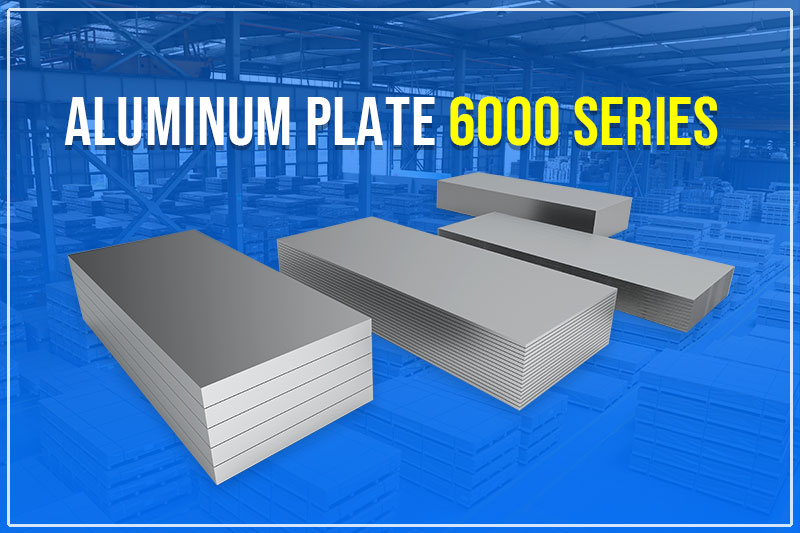
Manufacturers generally offer a broad selection of specifications to meet different project requirements.
Typical options include:
Selecting the right specification at the beginning of a project can significantly reduce downstream machining time.
Before placing an order, it is helpful to prepare several technical details.
Providing these details early helps improve production efficiency and minimizes communication during manufacturing.
The 6000 series remains one of the most versatile aluminum alloy families available today. Its combination of strength, corrosion resistance, weldability, and machinability makes it suitable for everything from precision machinery to large structural projects.
Choosing the appropriate grade and specification according to the intended application can improve manufacturing efficiency, extend service life, and deliver better overall value throughout the product lifecycle.
Mingtai Aluminum specializes in manufacturing high-quality aluminum plates, coils, and foil for global industries. With extensive production capacity, strict quality control, and customized specifications, Mingtai provides reliable aluminum solutions for a wide variety of engineering and industrial applications.
6061 is widely recognized as the most versatile option due to its excellent balance of strength, corrosion resistance, machinability, and weldability.
Yes. Most grades offer very good weldability and are commonly used in fabricated structures and industrial equipment.
Yes. Its excellent machinability makes it a preferred choice for precision-machined components and complex industrial parts.
T6 is one of the most popular tempers because it provides higher mechanical strength while maintaining good processing performance.