In the pursuit of architectural aesthetics, lightweight design, and sustainability today, the aluminum sheet for building material has become a key element in shaping modern skylines. From grand airport terminals to dynamic commercial complexes, it is the preferred choice for a building’s “flexible skin” due to its outstanding comprehensive performance. This article will provide an in-depth analysis of the core value of aluminum sheets in construction and offer a professional selection guide.
The widespread use of architectural aluminum sheets stems from five irreplaceable properties:
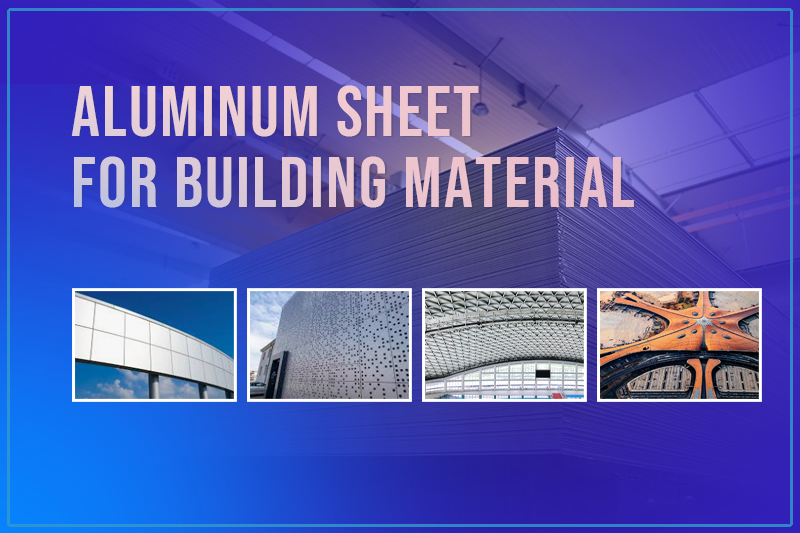
* Building Curtain Walls / Facade Cladding: The most widespread application. Aluminum sheets provide a flat, lightweight, and modern metallic facade for high-rise buildings, integrating thermal insulation, waterproofing, and decorative functions.
* Roofing and Soffit Systems: Commonly used in large-span structures like airports and stadiums, achieving lightweight roof coverage with excellent drainage performance.
* Interior Decoration and Ceilings: With a rich variety of colors and textures, aluminum sheets are an ideal choice for walls and ceilings in high-end commercial spaces and transportation hubs, offering easy cleaning and maintenance.
* Column Cladding and Sunshades: Used to beautify structural columns or as functional external shading components, improving building energy efficiency.
Choosing the right aluminum sheet is crucial for project success. Comprehensive consideration should be given to the following dimensions:
* 3003-H24: The most common choice. The addition of manganese offers better corrosion resistance and strength than pure aluminum, along with excellent formability. It is the cost-effective choice for curtain walls and roofing.
* 5052-H32: With higher magnesium content, it offers higher fatigue strength and excellent resistance to seawater corrosion. Suitable for coastal buildings or special-shaped components requiring higher strength or corrosion resistance.
The common thickness range is from 1.5mm to 4.0mm. 2.0mm and above is typically recommended for exterior curtain wall panels to ensure rigidity and flatness; 1.0mm to 2.0mm can be used for interior decorative panels. The final thickness must be strictly determined based on panel size and wind load calculations.
* PVDF Fluorocarbon Coating (≥30μm): The gold standard for exterior use. Its superior UV resistance and self-cleaning properties ensure no chalking or color change for over 20 years.
* PE Polyester Coating: Offers rich colors and is relatively economical. Suitable for interior or semi-exterior environments.
* Anodic Oxidation: Creates a dense oxide layer, revealing the natural metal color with a premium, hard, and scratch-resistant finish.
High-quality aluminum sheets originate from stable substrate materials and precise manufacturing processes. Quality pre-painted aluminum coils are produced continuously, ensuring uniform coating, consistent color, and stable performance, preventing issues like blistering or peeling from the source.
When the safety, aesthetics, and longevity of a building are paramount, the inherent quality of the material determines the final outcome. Mingtai Aluminum specializes in providing high-quality aluminum sheet for building material and coils that comply with Chinese (GB), American (ASTM), and European (EN) standards. Through strict alloy composition control, advanced rolling technology, and precise coating processes, we ensure every coil offers excellent flatness, consistent mechanical properties, and superior weathering performance. We provide reliable “base fabric” for global landmark buildings, helping your design vision achieve perfect realization.
Q1: How do maintenance costs for aluminum curtain walls compare to stone or glass walls?
A1: Significantly lower. Aluminum is lightweight, reducing structural strain. Its durable coating resists weathering and is easy to clean, avoiding issues like stone erosion or glass breakage.
Q2: How can I check the quality of an aluminum sheet’s coating?
A2: Focus on three key aspects: 1) The coating brand (prefer major suppliers like PPG or AkzoNobel). 2) Valid test reports meeting standards like AAMA 2605. 3) A smooth, uniform, and defect-free surface on the physical sample.