Many people searching for “aluminum sheet for solar panel mounting frames” are not looking for a material science paper. They want to know: What thickness should I buy? Which alloy is most common? What affects the price? Can I drill and install it right away? How do I avoid warping?
Below are direct answers to these frequently asked questions, based on real purchasing and installation experience.
According to surveys of bracket manufacturers and installers, the thickness of aluminum sheet for solar panel mounting frames falls into three main ranges: 1.5mm, 2.0mm, and 2.5mm.
– 2.0mm is the most popular – about 60% of purchases. It meets strength requirements for both residential roofs and ground mounts, without being too heavy or expensive.
– 1.5mm is used for light-duty applications like home rooftops and carports.
– 2.5mm is for large‑span ground mounts or areas with heavy snow loads.
Common stock sizes are 1250×2500mm and 1500×3000mm. Many buyers cut these into narrow strips or custom shapes themselves. If you need narrower strips (e.g., 200mm or 300mm wide), most suppliers can cut to size – but note that flatness may decrease slightly after cutting.
Not 6061, not 6063. The top seller for solar brackets is 5052 H32.
Why? It bends without cracking, offers good corrosion resistance, and has a reasonable price. Most brackets require bending aluminum sheet into U‑channels or C‑rails. With an elongation of about 12%, 5052 H32 handles 90° or 180° bends easily. In contrast, 6061 T6 often cracks when bent.
When should you use 6061 T6? Only if your brackets are not bent at all (e.g., flat plates with drilled holes) and you need very high strength.
One more point often missed: 5052 resists salt spray much better than 6061. Many customers who have learned the hard way on coastal projects now specify “5052 only.” So if you are unsure about the environment, 5052 H32 is the safest choice.
Price is a top concern, but market rates for aluminum change frequently. What matters more is understanding what factors determine your final quote. The main variables are:
– Purchase volume – Orders over 5 tons often get a noticeable discount.
– Alloy grade – 6061 T6 is usually slightly more expensive than 5052 H32.
– Certification requirements – Asking for ASTM certification or a material test report may add a small fee.
– Cutting service – Custom cutting into small sizes incurs extra processing cost.
– Delivery terms – Ex‑works, delivered, or FOB/CIF prices vary significantly.
When you request a quote, provide this information all at once: alloy grade, thickness, length and width, quantity (tons or sheets), and destination port or address. Complete information leads to accurate quotes and saves back‑and‑forth communication.
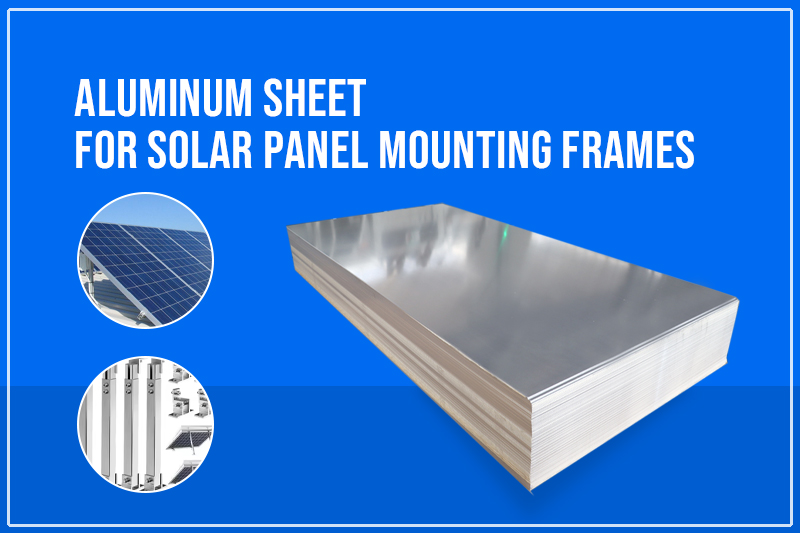
Aluminum sheet is much softer than steel. A regular HSS drill bit works, but two problems often occur:
– Aluminum chips stick to the bit. Use a drill bit designed for aluminum or apply cutting fluid.
– Thin sheets (below 1.5mm) tend to lift around the hole edge. Place a piece of hardwood under the sheet before drilling.
For cutting, use an aluminum saw or laser cutter. Do not use a regular abrasive wheel – it will melt the edge of the aluminum.
> Important note: Aluminum sheet suppliers typically do not offer drilling, bending, stamping, or other fabrication services. You must do these yourself or hire a third‑party workshop. We only guarantee that the sheet we supply meets flatness standards and alloy composition requirements.
Flatness is a common point of dispute after delivery. Some customers receive sheets with waves or warps, and then the holes do not align when mounting.
A general standard for 2.0mm aluminum sheet: the deviation per meter of length should not exceed 1.5mm. The inspection method is simple:
1. Lay the sheet flat on the ground.
2. Place a 1‑meter straightedge on the surface.
3. Measure the largest gap between the straightedge and the sheet with a feeler gauge.
If the gap exceeds 2mm, consider returning the sheet. Also, thinner sheets are more prone to flatness issues – for sheets below 1.5mm, ask the supplier to run them through a leveler.
Aluminum does not “rust” like iron, but it can suffer pitting (small surface pits) in humid or salt‑spray environments.
– In normal inland areas: the natural oxide layer on aluminum protects it for more than 20 years. No coating is needed.
– Near the coast, chemical plants, or where the sheet contacts concrete/wood: two recommendations – ① switch to 5052 alloy (best pitting resistance); ② add plastic or rubber pads as isolation at contact points.
Aluminum sheet suppliers generally do not provide surface treatments (anodizing, painting, etc.). If you need such services, arrange them separately.
Three most frequent mistakes:
– Looking only at thickness, ignoring the alloy – 2.0mm of 1060 pure aluminum has only half the strength of 5052. Never use it for brackets.
– Asking the supplier to bend or punch holes – most aluminum sheet suppliers sell flat sheets only. You need to find your own fabricator.
– Ignoring flatness – inspect immediately upon arrival. The sooner you reject an uneven sheet, the better.
Confirm the following before placing an order:
– Alloy grade (recommended: 5052 H32)
– Thickness (mm)
– Dimensions (length × width)
– Quantity (tons)
– Whether a material certificate (ASTM B209) is required
Providing all this information at once saves a lot of back‑and‑forth communication.
Q: What is the most common thickness of aluminum sheet for solar panel mounting frames?
A: 2.0mm – it accounts for over 60% of market purchases.
Q: Which is better for solar brackets, 5052 or 6061?
A: 5052 if you need bending; 6061 if no bending is required and high load capacity is critical.
Q: Can I drill and install the aluminum sheet right after purchase?
A: Yes, use a bit designed for aluminum. The supplier does not drill holes – you must do that yourself.
Q: Does aluminum sheet need extra anti‑rust treatment in coastal areas?
A: Choose 5052 alloy and add insulating pads. A coating is generally not required.
Mingtai Aluminum maintains stock of 5052 H32 aluminum sheet for solar brackets, in thicknesses from 1.5mm to 3.0mm. We offer custom cutting and ASTM material certificates. Contact us for a quote.